The Bitterroot
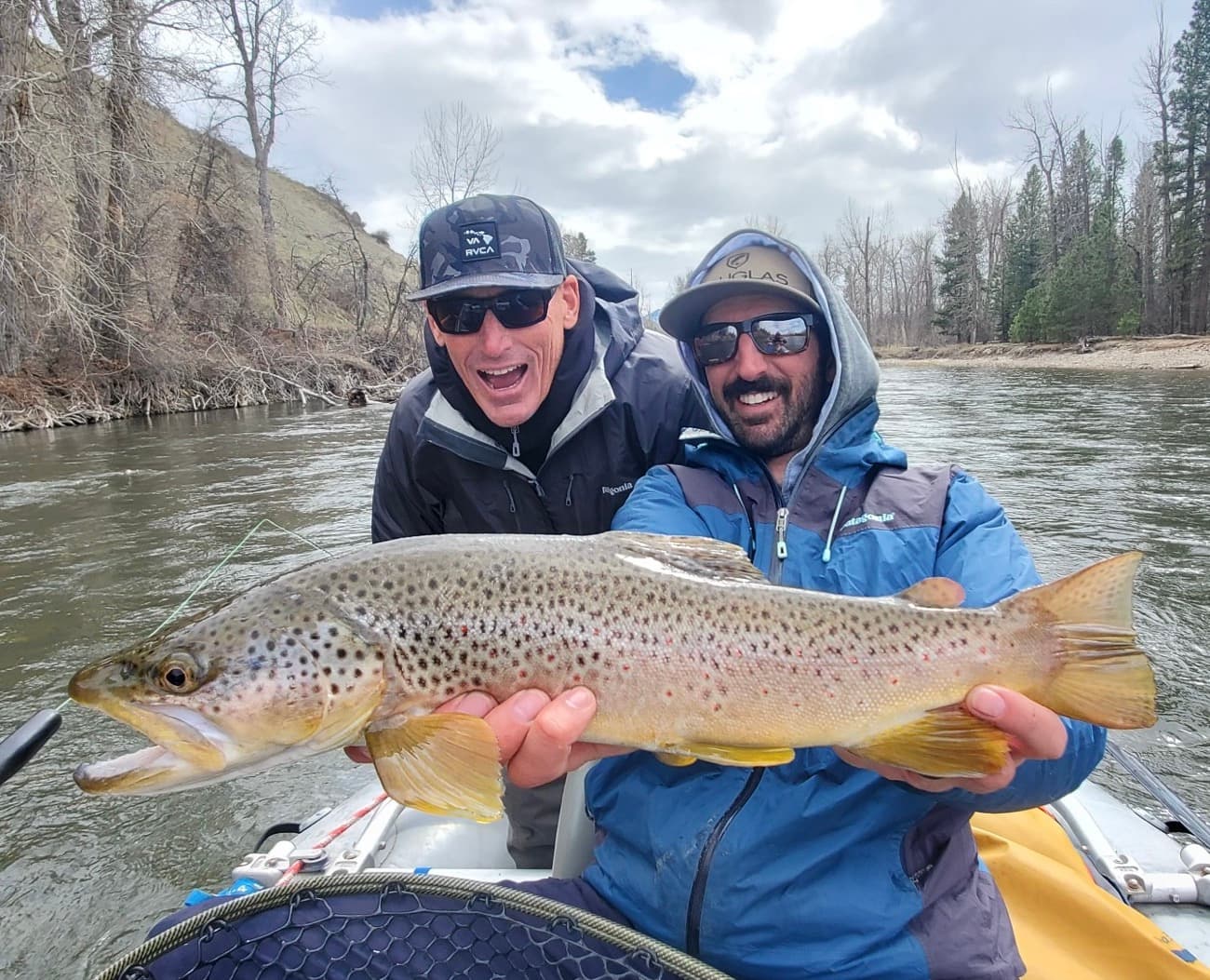
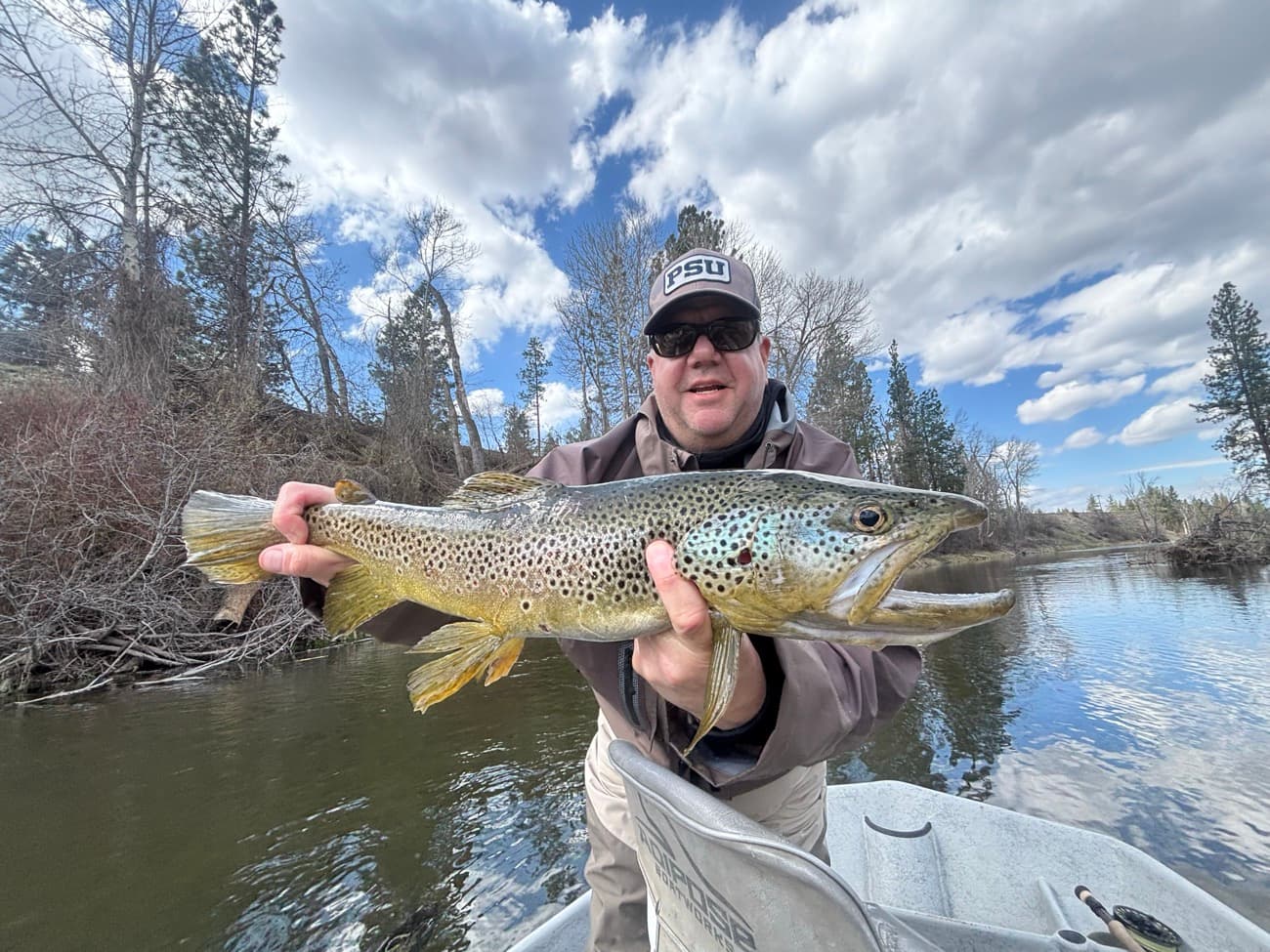
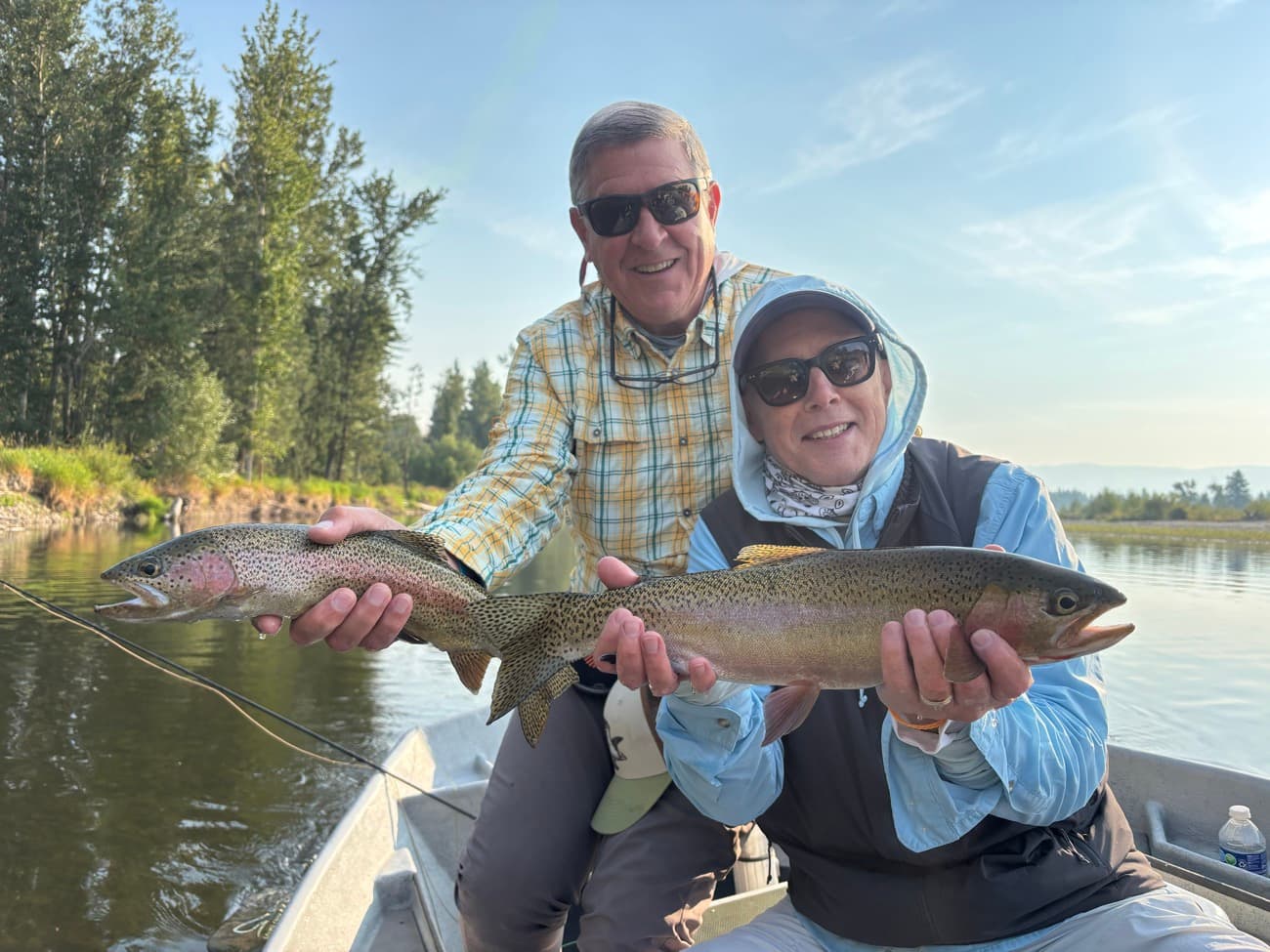
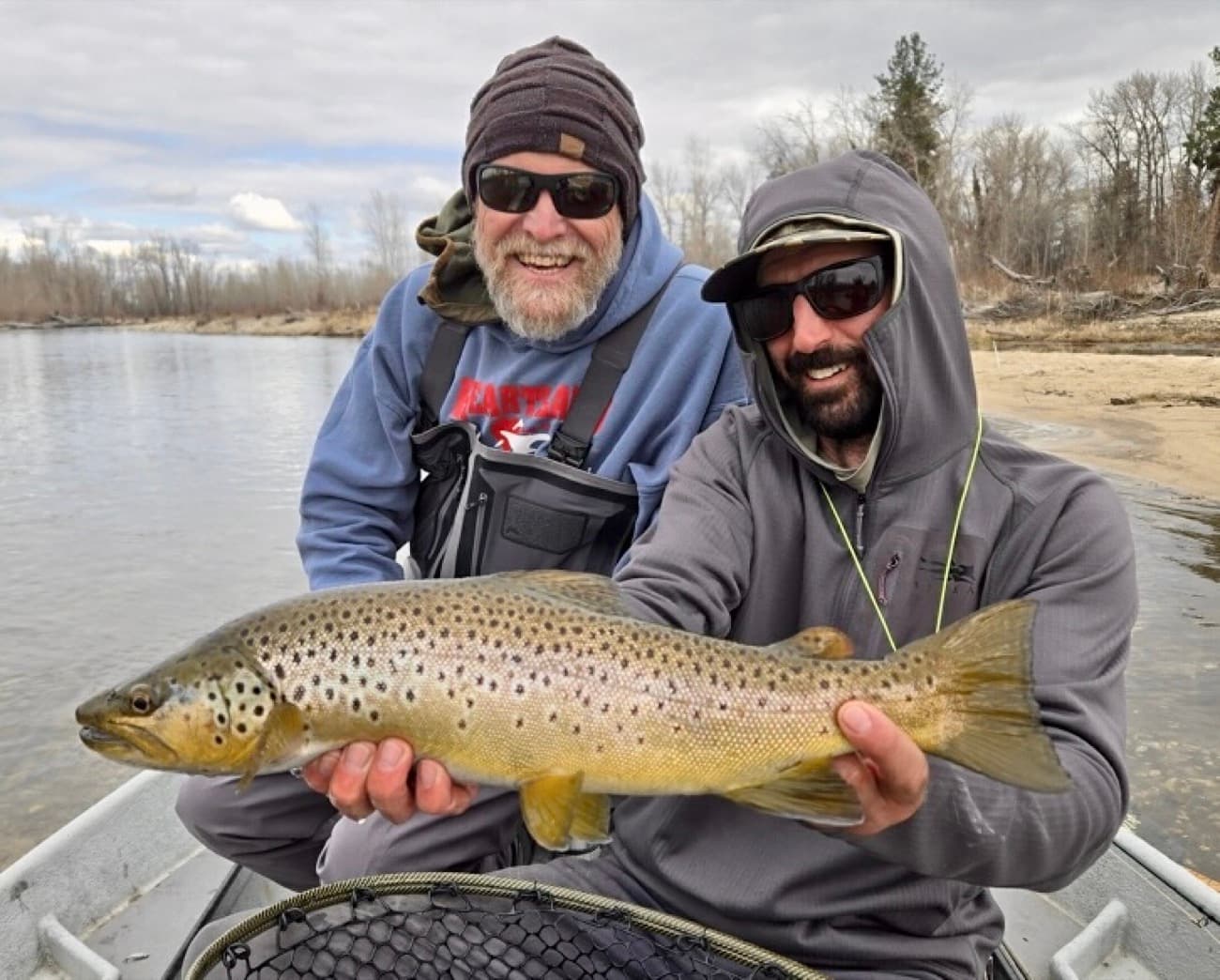
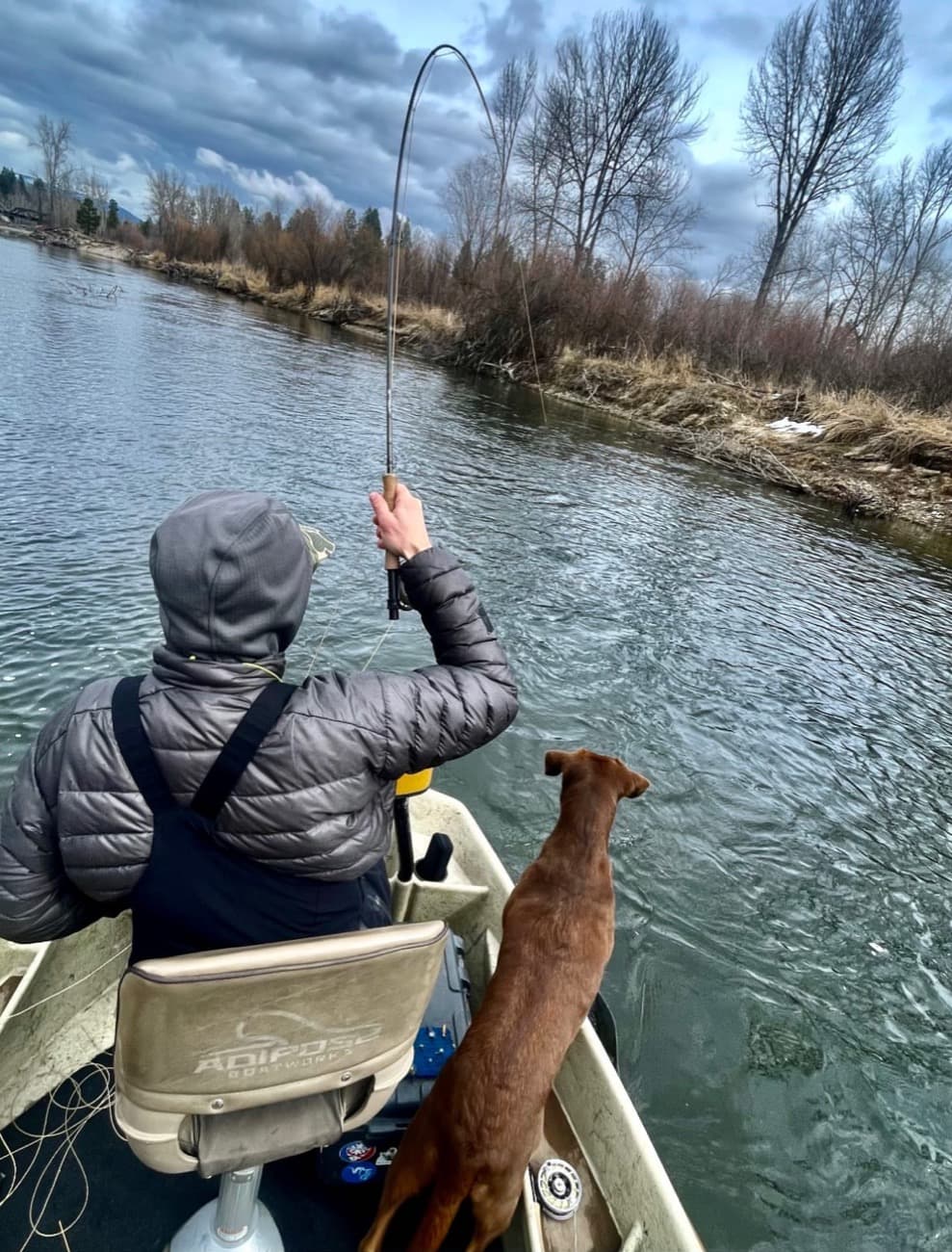
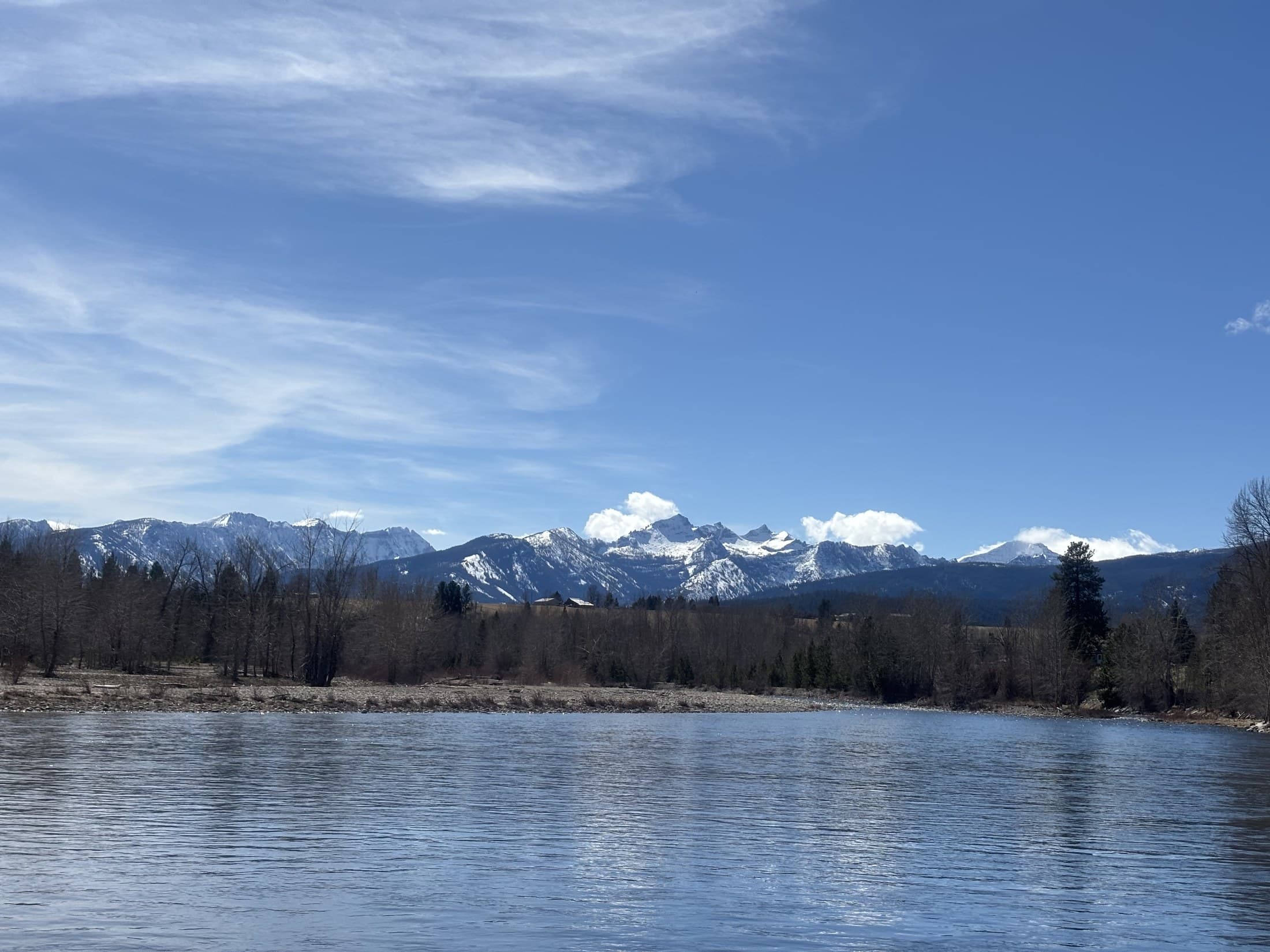
A diverse fishery holding several species of trout in every size class, and one of the best dry-fly rivers in the region. Set against some of the prettiest scenery in the valley, it's our signature water for a spring day chasing bugs.
The Bitterroot is one of western Montana's classic freestone rivers, winding north through a broad valley beneath the Bitterroot Mountains. With everything from braided channels and riffles to deep banks, logjams, and long dry-fly flats, the river offers a huge variety of water and opportunities for brown trout, rainbows, and native westslope cutthroat. The Bitterroot is especially well known for its prolific insect life and some of the best dry-fly fishing in the region. From the first stoneflies of spring through summer terrestrials and crisp fall mayfly days, there is almost always something happening here. Add in the mountain backdrop and cottonwood-lined banks, and it's easy to understand why the Bitterroot is one of our favorite rivers to spend a day on.
Spring
Spring is one of the most anticipated seasons on the Bitterroot. The famous Skwala stonefly hatch brings trout to the surface early in the year, often providing some of Montana's first consistent dry-fly fishing. Blue-winged olives, March browns, and other mayflies round out a season that can produce some exceptional fishing before runoff arrives.
Summer
As runoff subsides, the Bitterroot comes alive with salmonflies, golden stones, PMDs, caddis, and yellow sallies. Long summer days create opportunities to fish everything from large attractor dries to technical mayfly patterns. Later in the season, grasshoppers and other terrestrials become an important part of the menu.
Fall
Cool nights and lower flows make fall one of the most beautiful times to fish the Bitterroot. Tricos and blue-winged olives can bring trout to the surface, while streamer fishing becomes increasingly productive as brown trout become more aggressive. The crowds thin, the cottonwoods begin to change, and some of the river's best fish become increasingly active.
Winter
Winter fishing on the Bitterroot is quiet and weather dependent, but warmer afternoons can still produce opportunities. Midges and occasional blue-winged olives make up much of the dry-fly activity, while nymphing slower runs can keep anglers connected to trout throughout the coldest months.