The Blackfoot
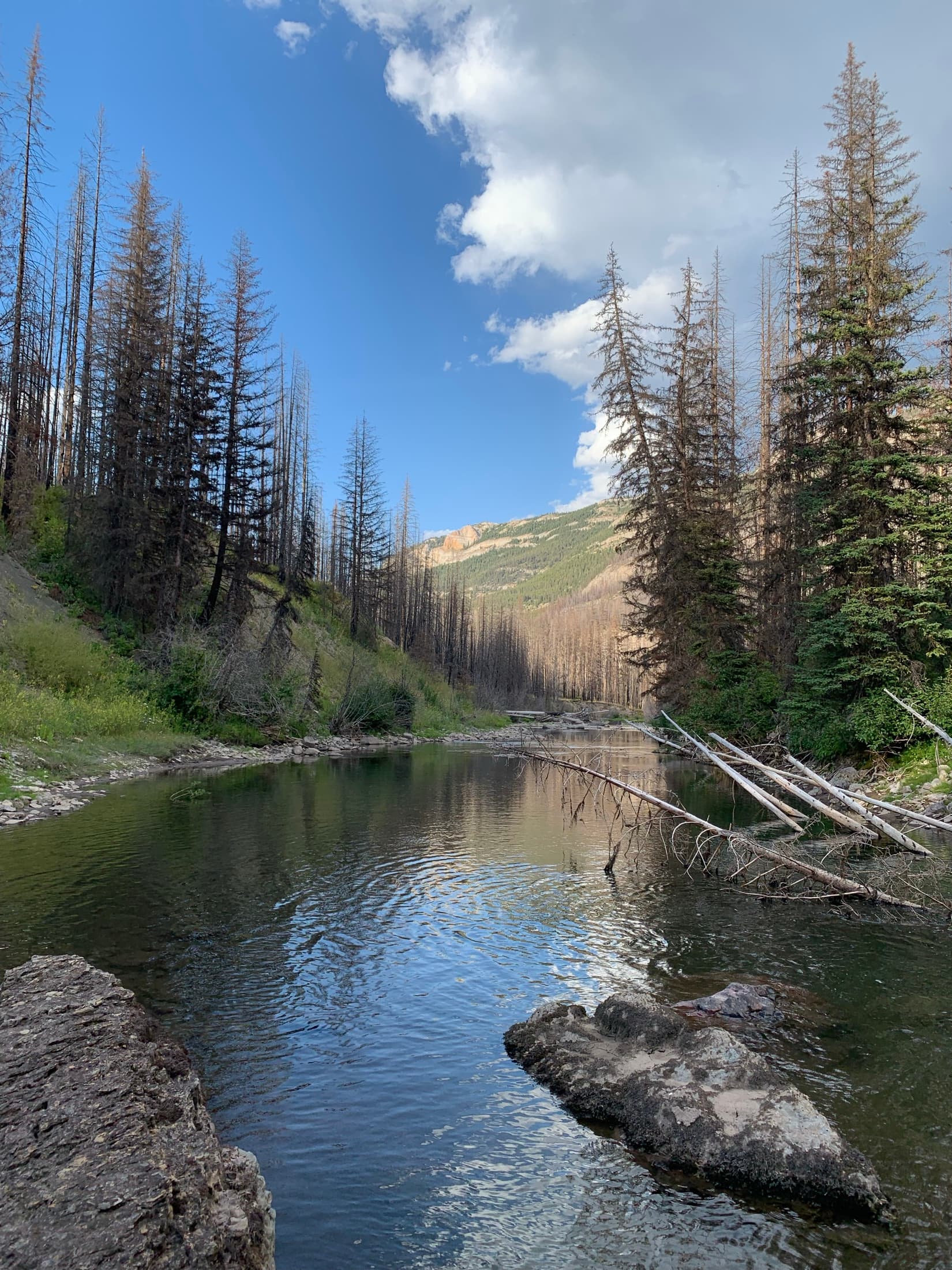
Arguably the most scenic river in the area, with a wide variety of fish and one of the most epic salmonfly hatches anywhere in Western Montana. A freestone classic that's worth the drive.
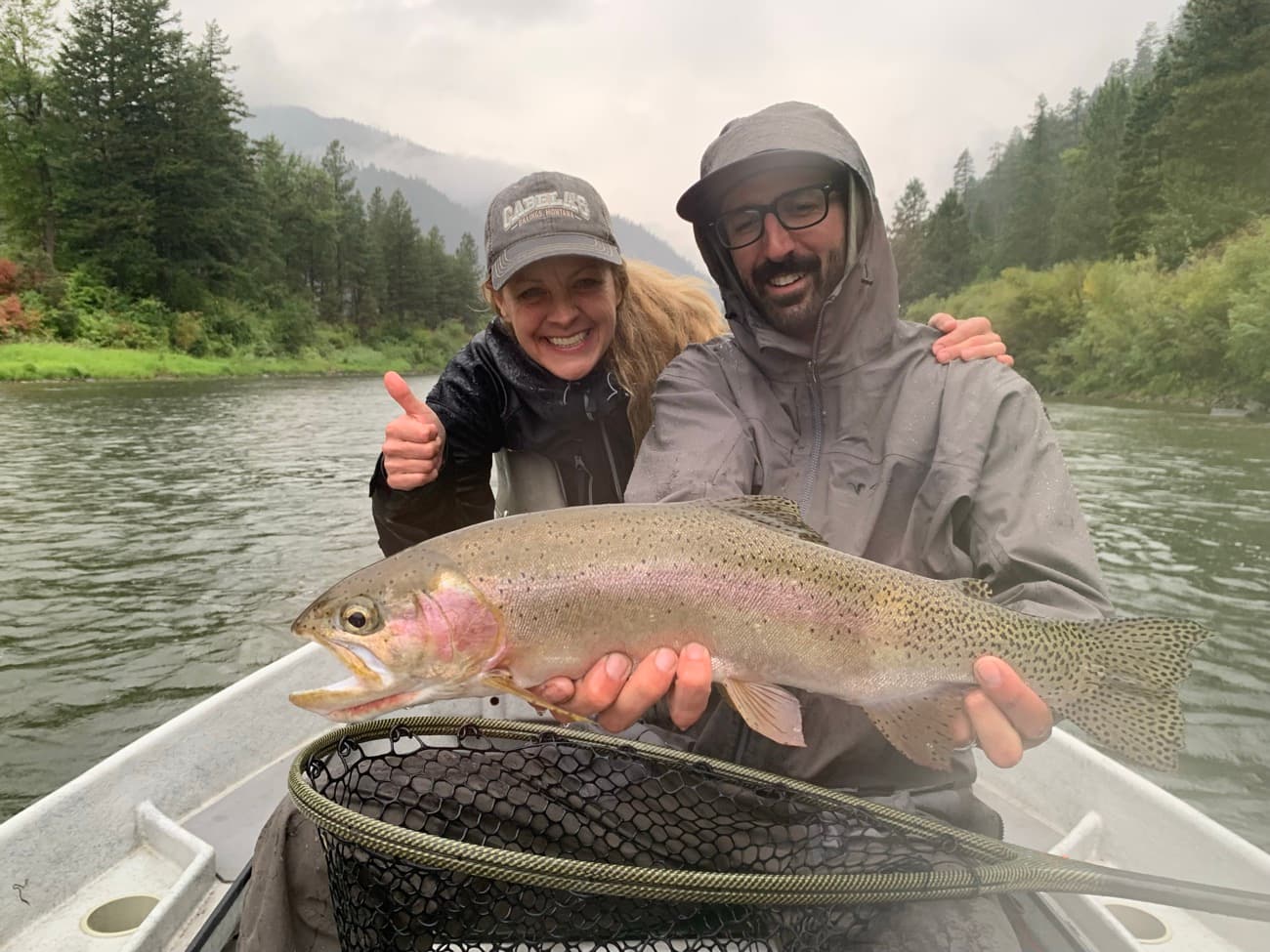
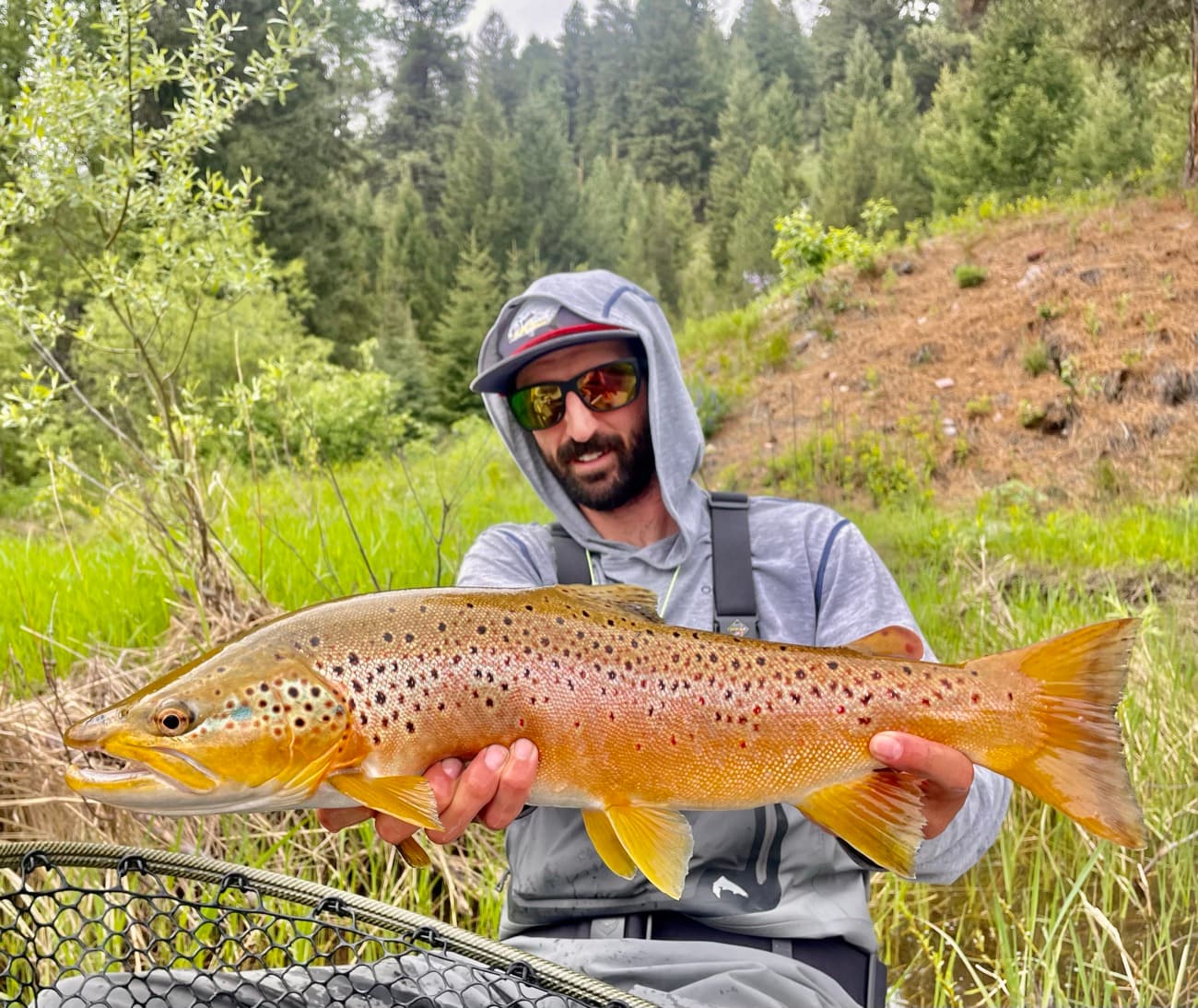
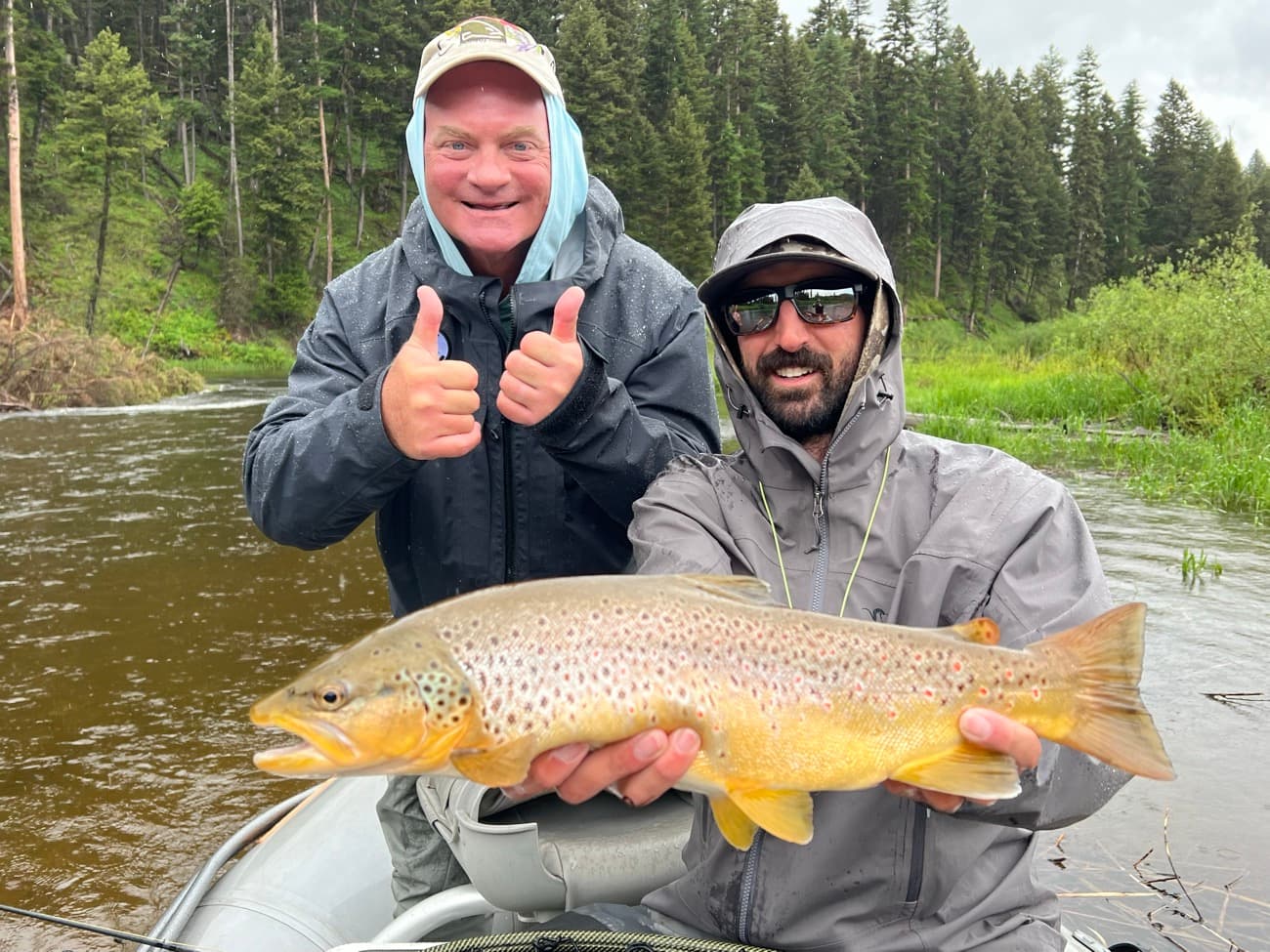
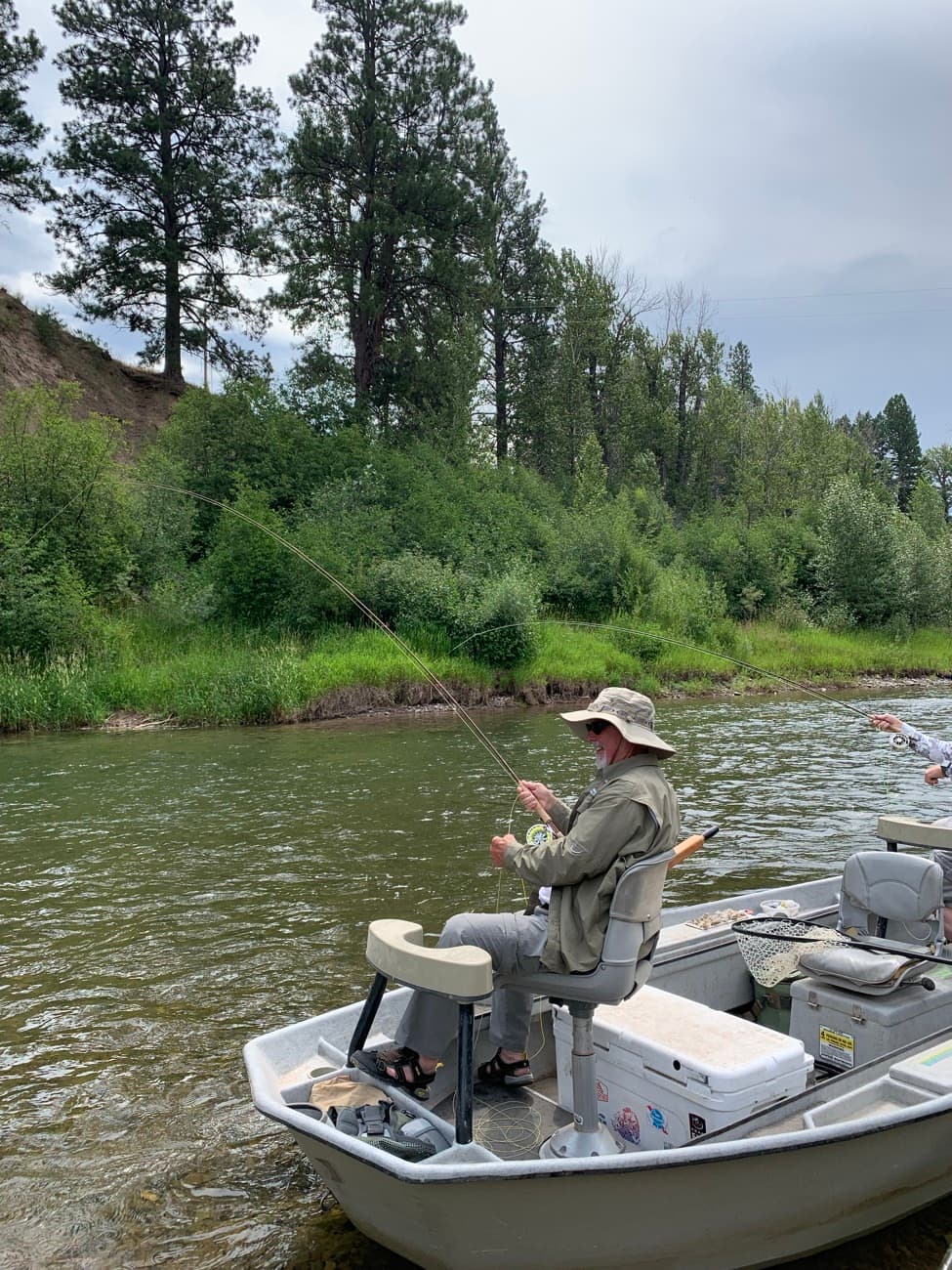
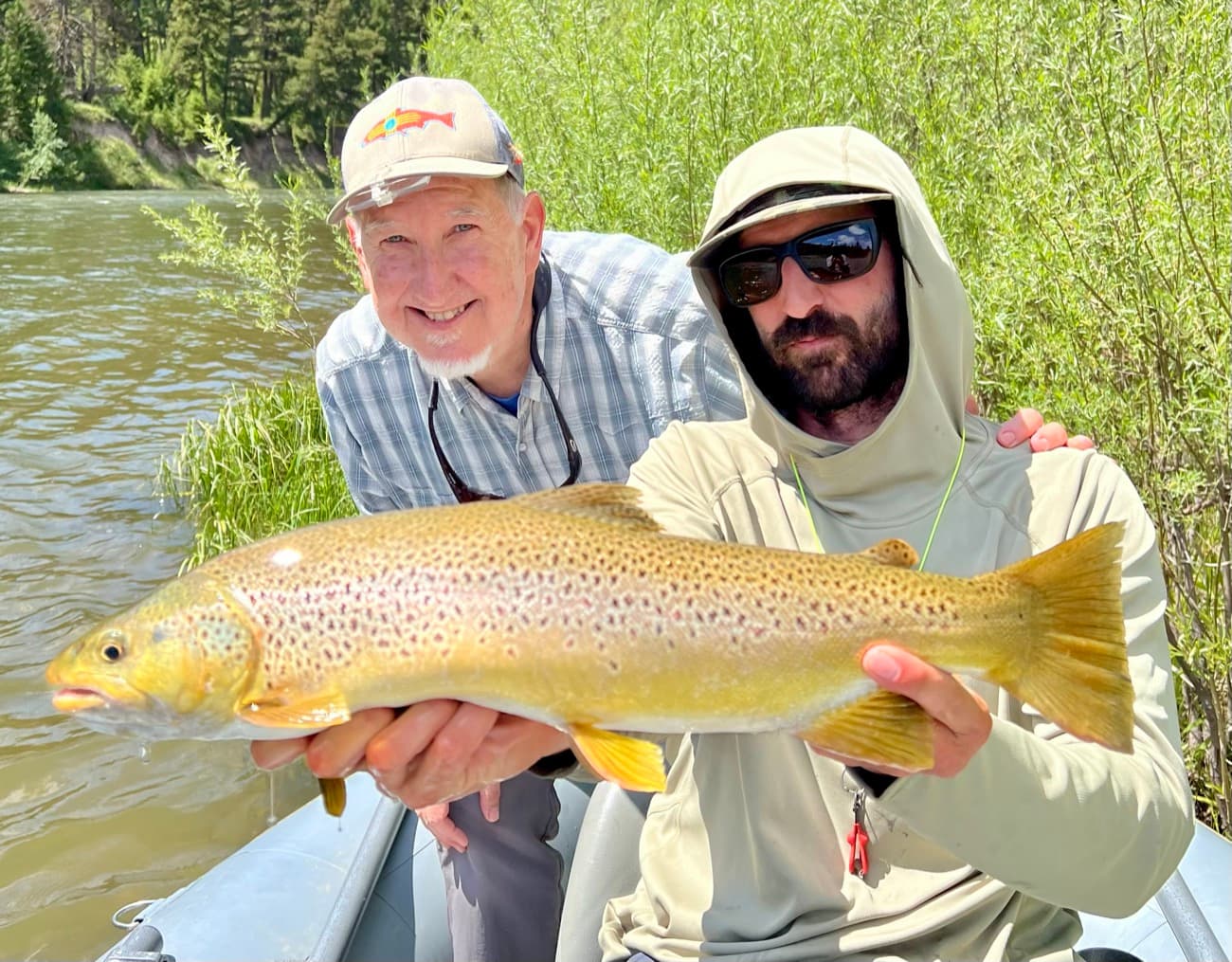
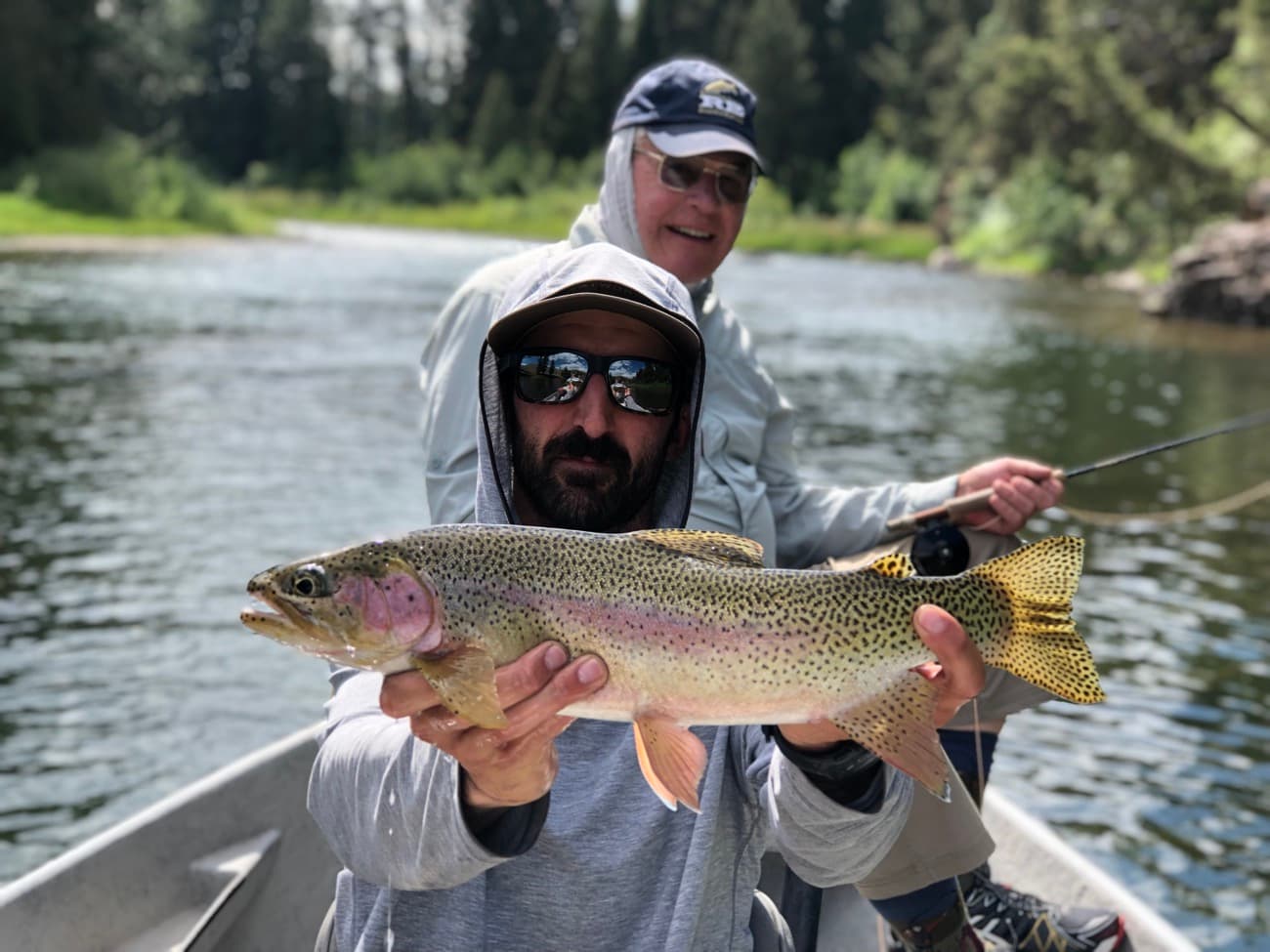
The Blackfoot is one of western Montana's most iconic freestone rivers, flowing through a rugged, heavily forested valley east of Missoula. Its clear water, boulder-filled runs, deep pools, and fast riffles make it feel wilder than many of the other rivers in the area. The fishery includes westslope cutthroat, rainbows, browns, and cuttbows, with native cutthroat playing a particularly important role in the system. The Blackfoot is a river that rewards active fishing—working banks, seams, pockets, and structure while covering water through some of the most dramatic scenery in western Montana.
Spring
Spring fishing on the Blackfoot is generally more weather and flow dependent than on some of our other rivers. Skwalas, blue-winged olives, and early mayflies can provide good opportunities before runoff, while nymphs and streamers are often productive in deeper runs and softer water. When conditions line up, the river can fish very well before snowmelt takes over.
Summer
Summer is when the Blackfoot really comes into its own. As runoff clears, salmonflies, golden stones, green drakes, PMDs, caddis, and yellow sallies create some of the most exciting hatch activity of the year. Big dry flies, fast banks, and aggressive trout make early summer especially fun, while terrestrials and smaller mayflies carry the fishing deeper into the season.
Fall
Cooler mornings and lower flows bring a different pace to the Blackfoot in fall. Blue-winged olives, mahogany duns, October caddis, and other fall mayflies become increasingly important, while streamer fishing can be very productive around deeper water and structure. The river is quieter, the scenery is spectacular, and the fishing can remain strong well into the season.
Winter
Winter fishing on the Blackfoot is limited by colder temperatures and ice, but warmer stretches of weather can still provide opportunities. Trout generally hold in slower, deeper water, with midges and occasional blue-winged olives providing most of the insect activity. When conditions cooperate, it can be a peaceful way to experience the river with almost no pressure.