The Clark Fork
The longest river in the area, with the widest variety of water. Riffles, runs, and deep pools hold multiple species of trout, and the range of water types means there's almost always a technique that's working.
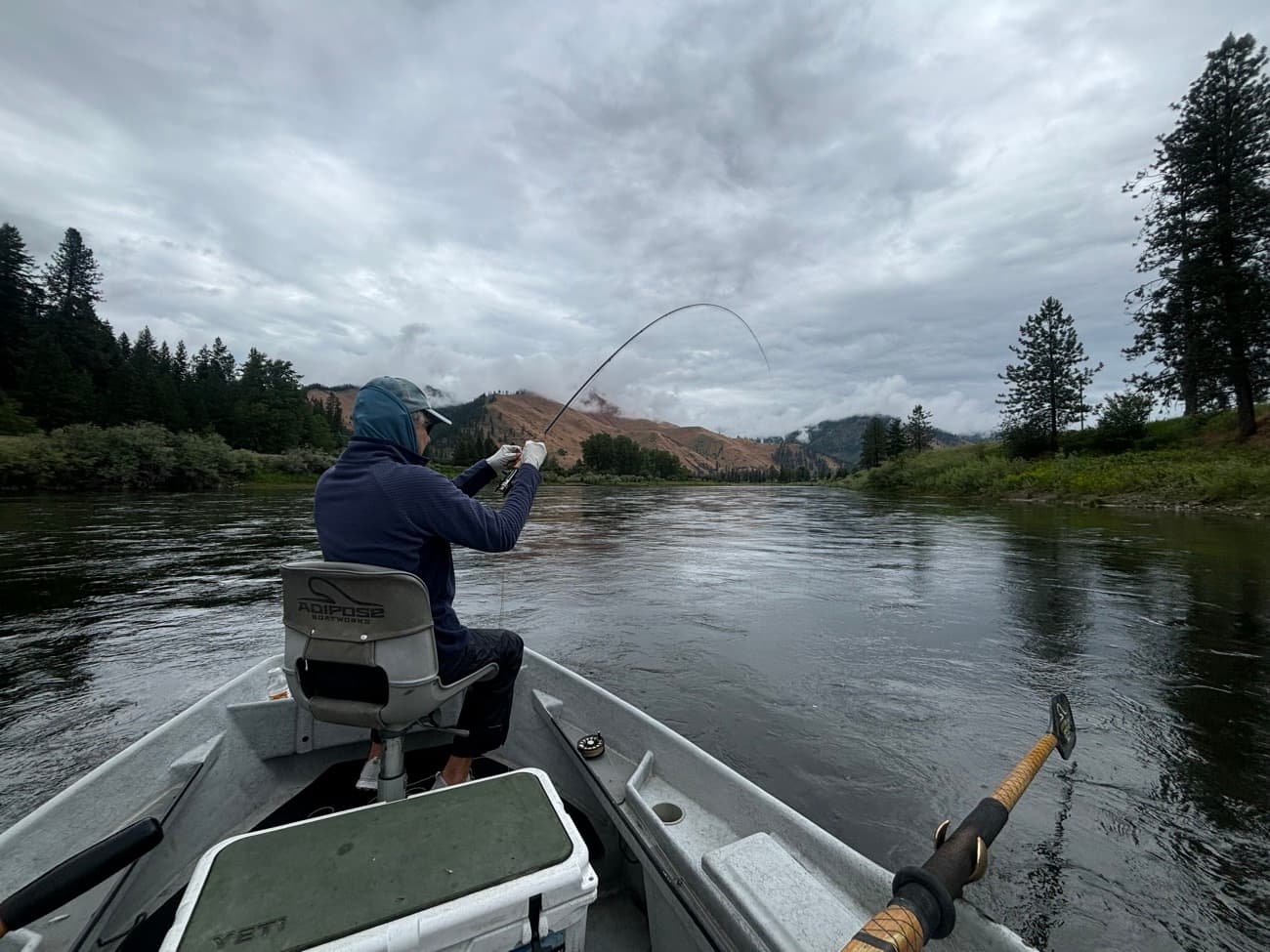
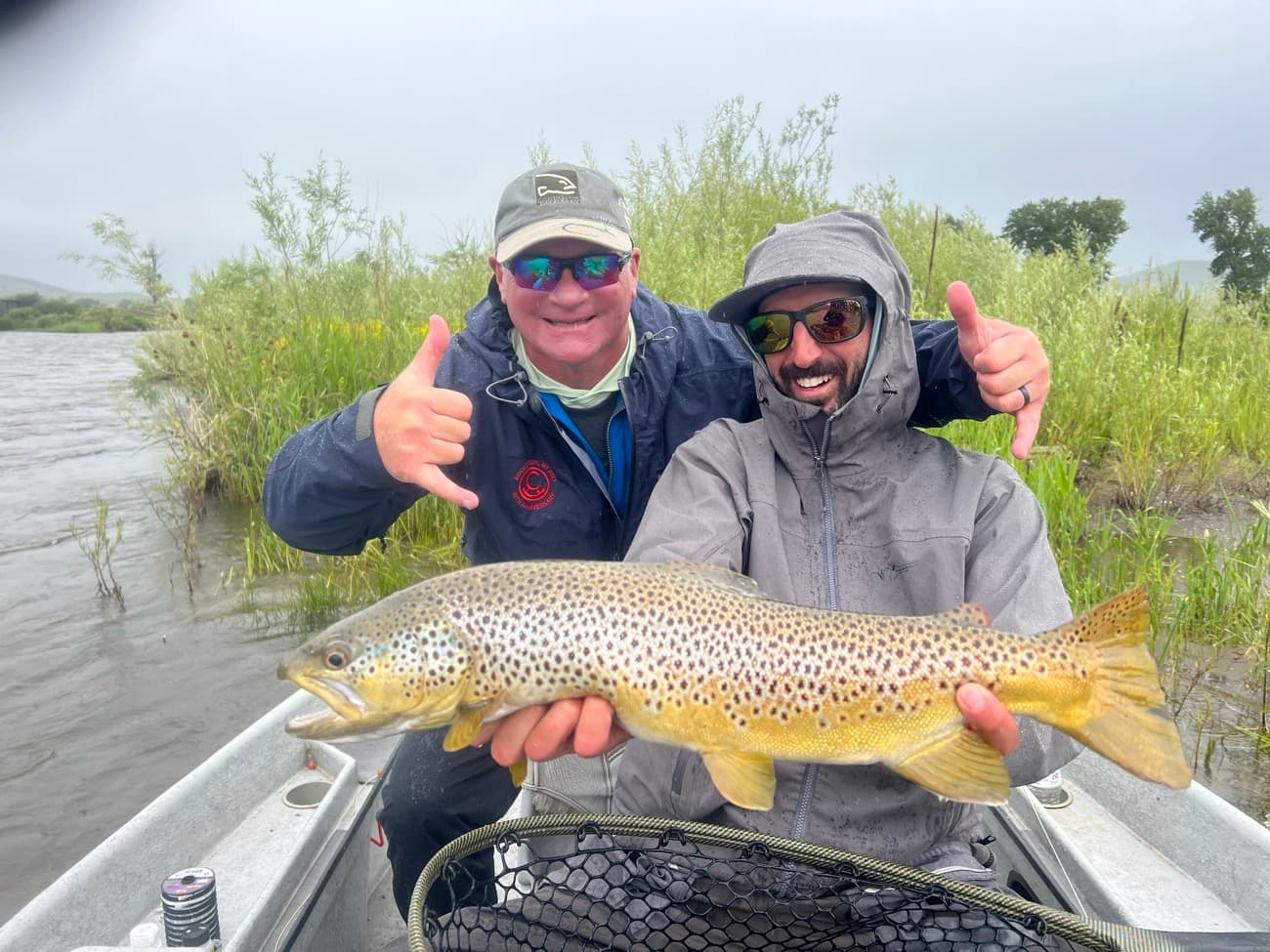
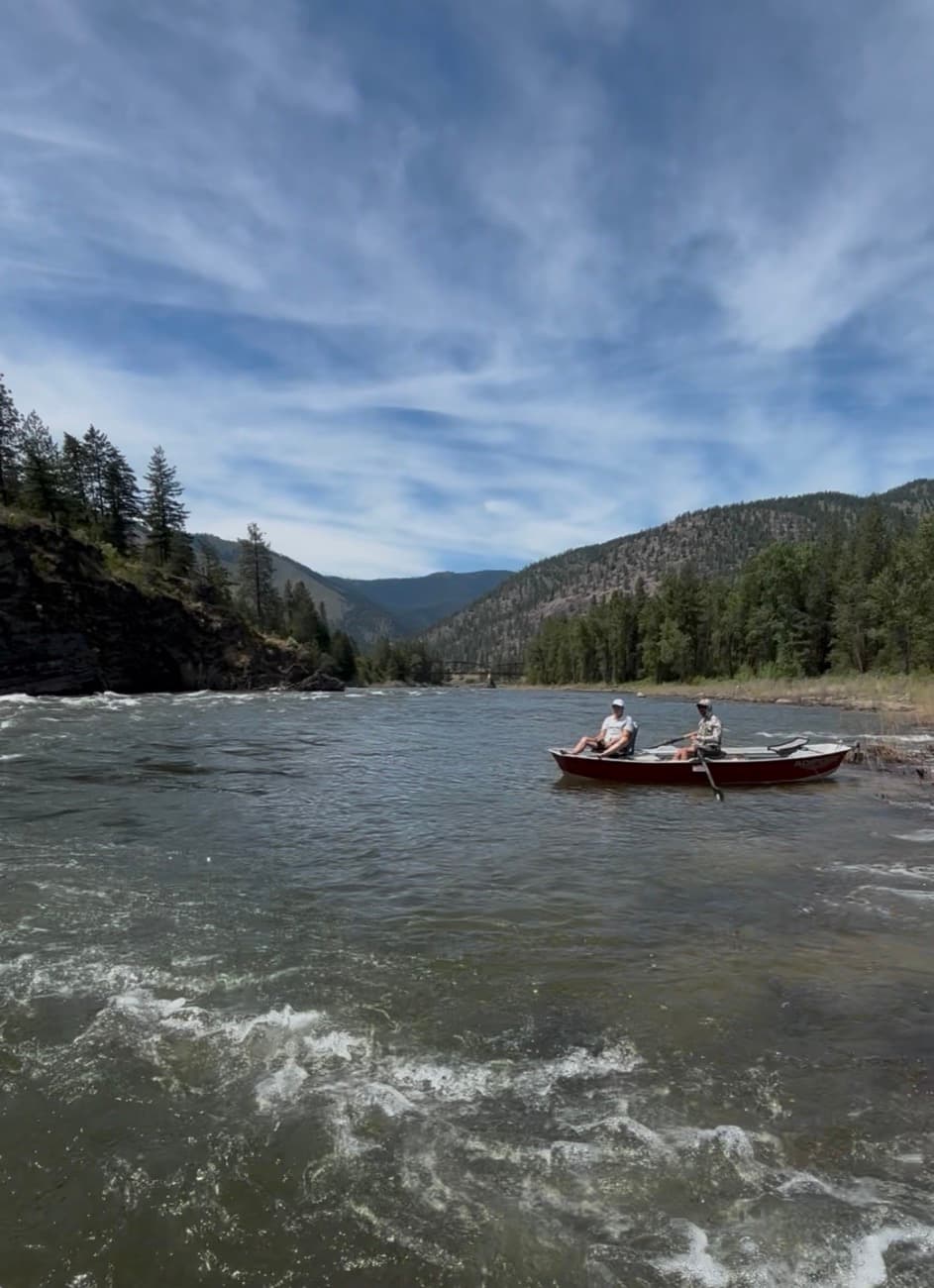
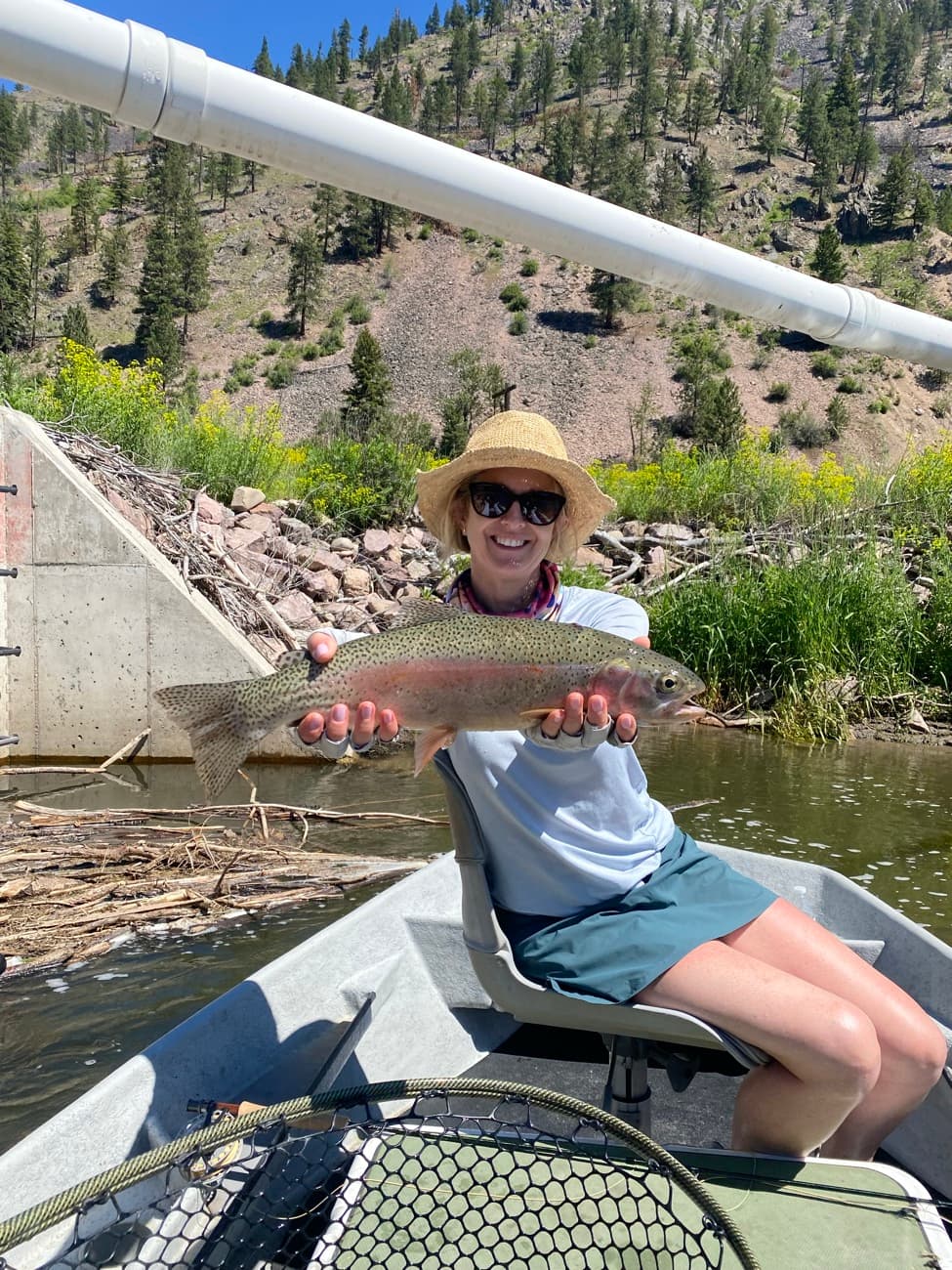
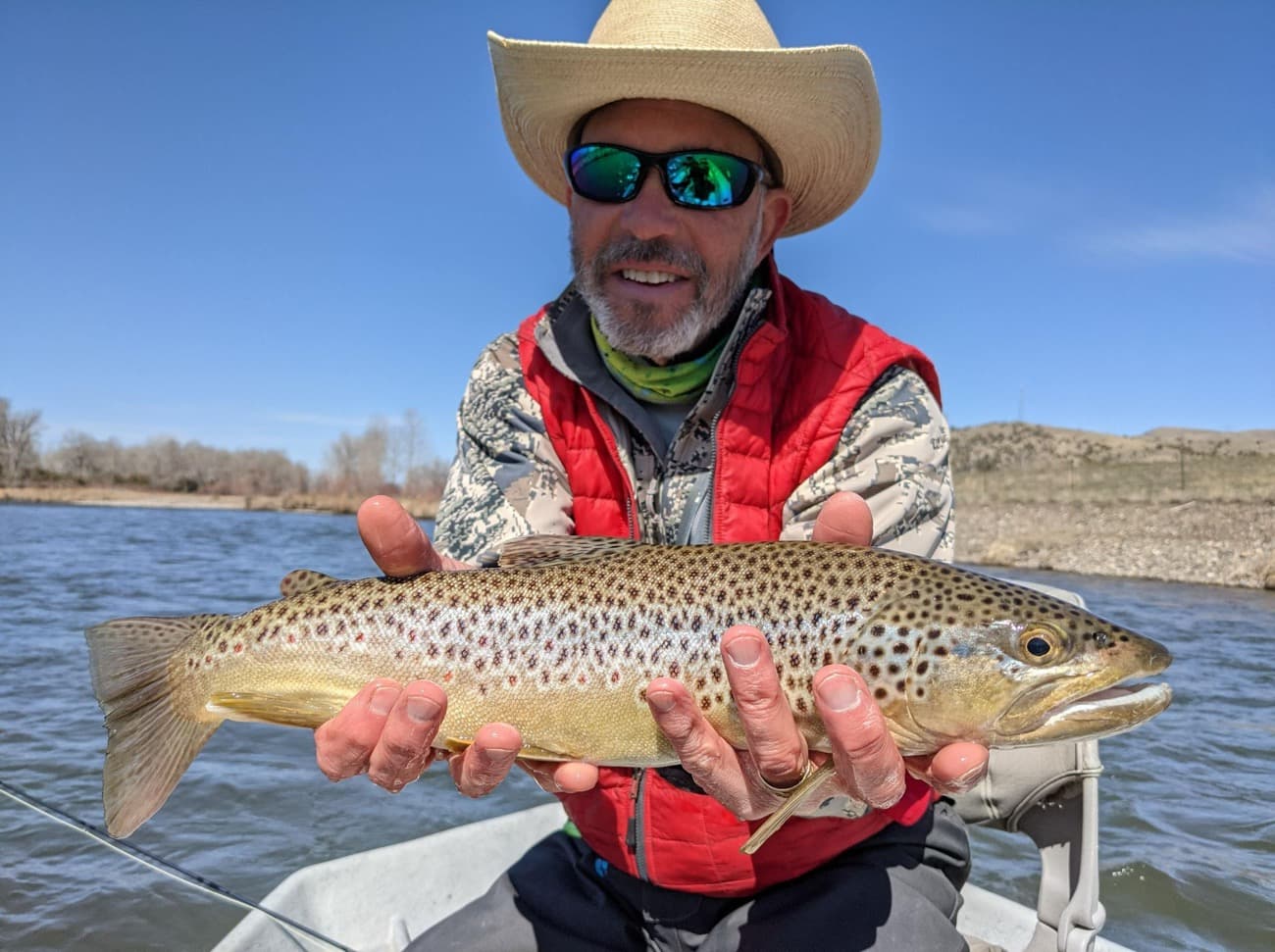
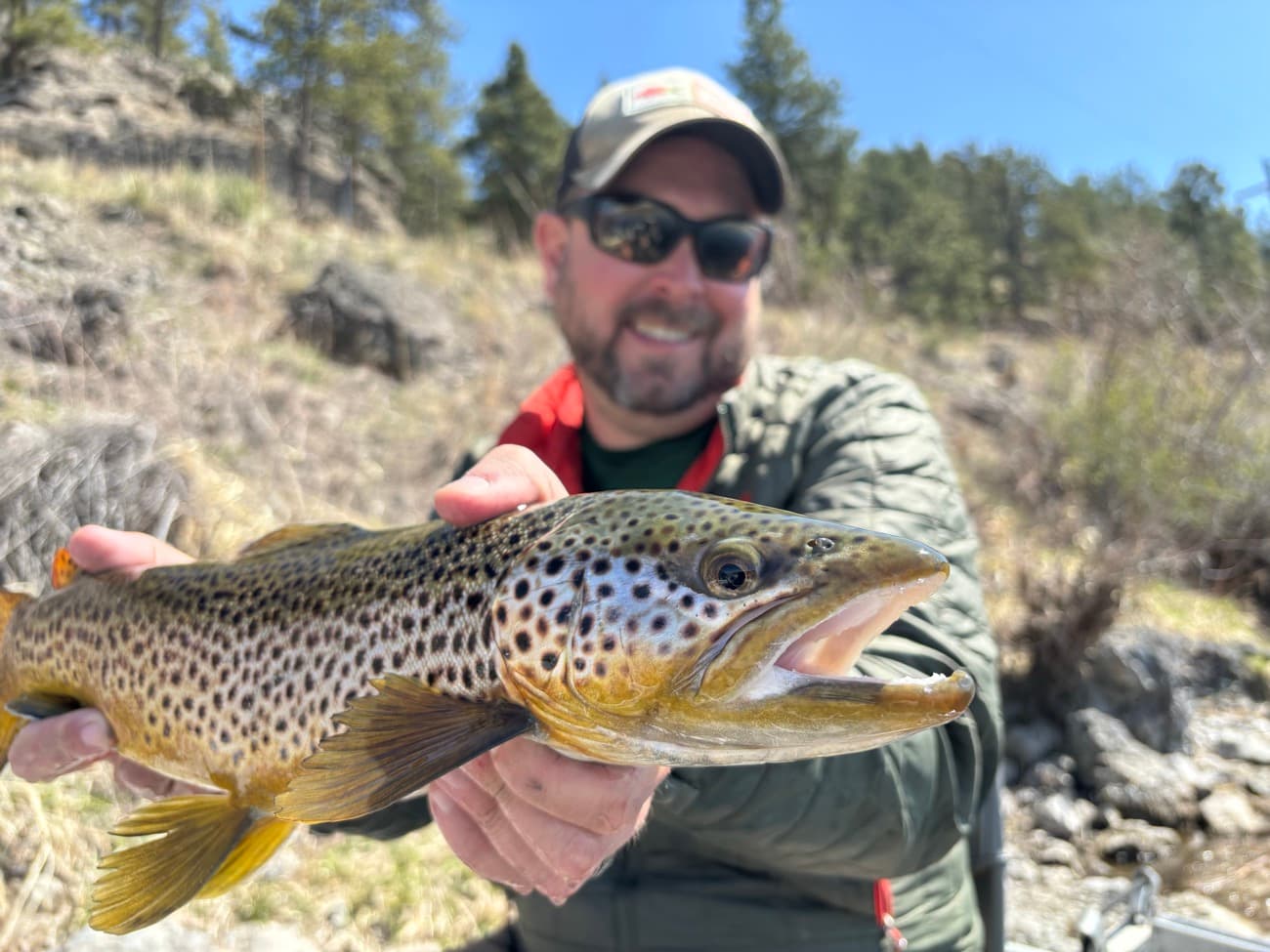
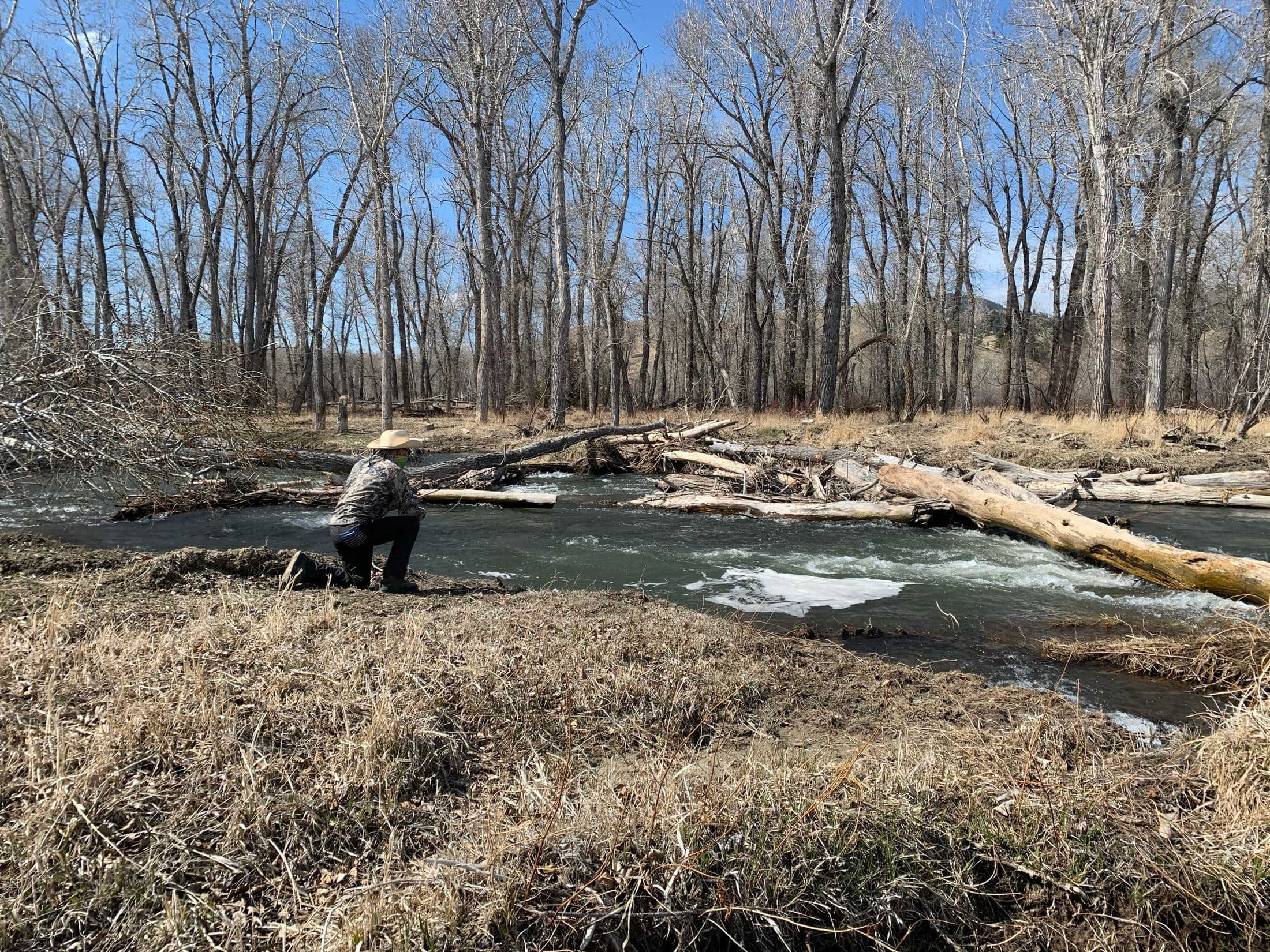
The Clark Fork is the largest river in western Montana and one of the most varied fisheries we get to guide. As it works its way west, the river constantly changes character—from broad riffles and sweeping bends to deep banks, long runs, side channels, and slower pieces of technical water. Rainbows, cuttbows, cutthroat, and brown trout all call the Clark Fork home, with the makeup of the fishery changing depending on the section. Its size gives anglers room to cover water, experiment with different techniques, and encounter a completely different style of fishing from one float to the next.
Spring
Spring can bring excellent fishing before runoff takes over. Skwalas, blue-winged olives, March browns, and other early mayflies begin getting trout active as water temperatures rise. Some days call for dry flies, while others reward anglers willing to work nymphs or streamers through deeper runs and softer edges.
Summer
After runoff, the Clark Fork opens up into a big, productive summer fishery. Golden stones, PMDs, caddis, yellow sallies, and other summer insects keep fish feeding throughout the system. As the season progresses, hoppers, ants, and other terrestrials become increasingly effective, especially along grassy banks and structure.
Fall
Cooling water and shorter days bring another strong window of fishing. Blue-winged olives, mahogany duns, tricos, and October caddis can create excellent dry-fly opportunities, while streamers become increasingly effective as brown trout grow more aggressive. Fall also brings lower traffic and some of the most comfortable fishing weather of the season.
Winter
Winter slows the river down considerably, but the Clark Fork can still fish on mild days. Trout concentrate in slower, deeper water, with midges and occasional blue-winged olives providing most of the insect activity. It's a quieter, more deliberate style of fishing, but productive windows still exist when the weather cooperates.